Choosing the right air conditioning provider can make a major difference in how comfortably and efficiently your home is cooled. Whether you need routine maintenance, an unexpected repair, or a complete system replacement, the company you hire should be able to explain the work clearly, provide dependable service, and understand the equipment in your home. An AC company can vary in experience, availability, pricing, training, and customer service, so homeowners should look beyond the first estimate or advertisement they find. Evaluating qualifications, services, communication practices, warranties, and maintenance options can help you make a more informed choice. Taking time to compare these factors can reduce uncertainty and make it easier to work with a provider that is prepared to support your cooling system over time.
Checking Experience and Professional Qualifications
Experience is one of the first factors to consider when evaluating an air conditioning provider. A company that has worked with a variety of systems may be better prepared to diagnose common problems and recognize when a repair, replacement, or maintenance service is appropriate. Homeowners can ask how long the company has been in business, what types of systems its technicians service, and whether the team has experience with the specific brand or model installed in the home.
An AC company should also be willing to explain any licenses, certifications, or technical training relevant to the work being performed. Because cooling systems involve electrical components, refrigerants, airflow, and mechanical equipment, proper training is important. Ongoing education can also help technicians stay familiar with newer equipment and updated service practices. Understanding a company's qualifications gives homeowners a clearer idea of whether the technicians are prepared to handle both routine and more complex cooling needs.
Reviewing Services and Areas of Expertise
Not every provider offers the same range of services. Some companies may focus primarily on repairs, while others also provide installations, replacements, preventive maintenance, indoor air quality services, thermostat upgrades, ductwork, or emergency support. Homeowners should think about both immediate needs and future service requirements when comparing options. A provider with a broad range of capabilities may offer greater continuity if the system needs different types of attention over time.
An AC company that handles both maintenance and repairs may also become more familiar with the home's equipment through repeated visits. This familiarity can be useful because technicians can review service history, recognize recurring problems, and track how the system changes as it ages. Asking about the full range of services available can help homeowners determine whether the provider can support the system through routine tune-ups, seasonal preparation, repairs, and eventual replacement if necessary.
Comparing Estimates and Pricing Details
Cost is an important consideration, but homeowners should look closely at what is included in each estimate rather than comparing only the final number. A written proposal may include labor, replacement parts, equipment, disposal, permits, refrigerant, or additional services. If a company recommends a major repair or system replacement, the estimate should explain what work will be completed and whether other costs could arise after the project begins.
When comparing an AC company with other providers, homeowners should ask questions about anything that is unclear. A lower estimate may not include the same scope of work, equipment quality, or warranty coverage as a higher one. It can also be helpful to ask how additional repairs or change orders are approved. Transparent pricing makes it easier to compare options fairly and reduces the chance of misunderstandings once service is underway.
Evaluating Communication and Customer Service
Good communication is especially important when a cooling system stops working during hot weather. Homeowners should pay attention to how clearly a company answers questions, explains recommendations, and describes the condition of the system. A technician should be able to discuss the problem in understandable terms without relying on confusing technical language. Clear communication helps homeowners make decisions with a better understanding of what is happening and why certain work may be necessary.
An AC company should also provide practical information about scheduling, arrival windows, follow-up service, and who to contact if questions arise. Responsiveness can be particularly valuable when a repair is urgent or when an installation requires multiple steps. Reliable communication before, during, and after service can make the overall process less stressful. It also gives homeowners greater confidence that concerns will be addressed if something changes after the initial appointment.
Considering Maintenance and Energy Efficiency
Routine maintenance can help identify wear, airflow restrictions, and other developing concerns before they become larger problems. Homeowners should ask whether the company offers seasonal tune-ups or maintenance plans and what those services include. Common maintenance tasks may involve inspecting electrical connections, checking refrigerant levels, cleaning components, testing thermostat operation, and examining airflow. Regular service can also help homeowners better understand the condition of an aging system.
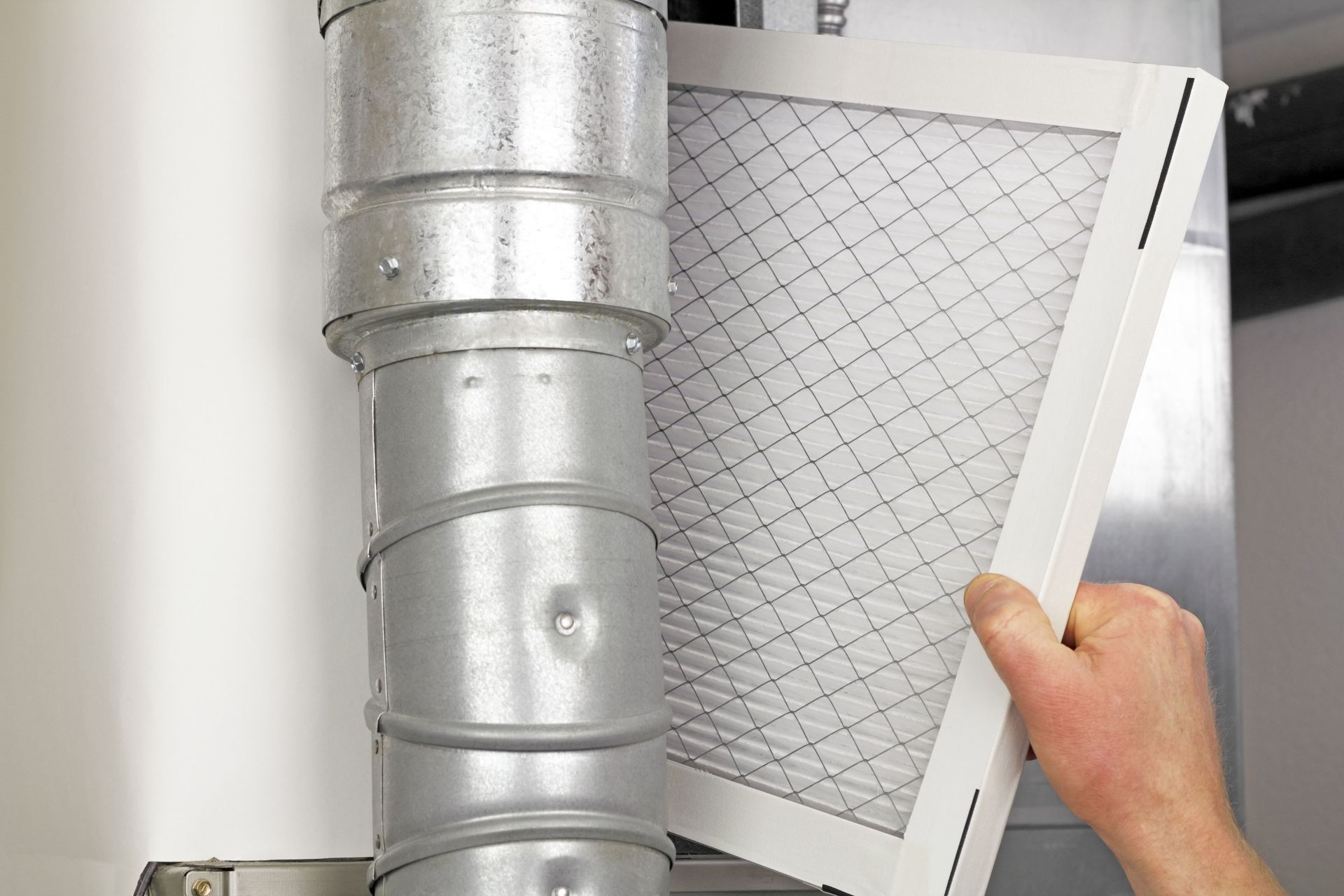
According to the U.S. Department of Energy, changing a dirty air filter can lower an air conditioner's energy use by 5% to 15%. Simple maintenance tasks can make a noticeable difference in how efficiently equipment operates, and an AC company can help homeowners understand which tasks they can handle themselves and which should be performed professionally. Asking about efficiency recommendations can also be helpful when deciding whether maintenance, repairs, or equipment upgrades are appropriate for the home.
Understanding Warranties and Follow-Up Support
Warranties can vary significantly depending on the equipment, manufacturer, contractor, and type of service being performed. Homeowners should ask whether repairs include labor or parts warranties and what coverage applies to new equipment installations. It is also important to understand how long coverage lasts, whether registration is required, and what maintenance responsibilities may apply. Reading these details carefully can prevent confusion if the system develops a problem later.
An AC company should also explain what happens if a repair does not resolve the issue or if newly installed equipment requires attention. Knowing how warranty claims and follow-up appointments are handled can help homeowners understand the level of support available after the initial service call. A company that offers clear post-service procedures can make it easier to address concerns quickly rather than having to restart the search for a provider when a problem returns.
Checking Availability and Long-Term Reliability
Air conditioning problems do not always occur during convenient business hours, so availability may be another factor worth considering. Homeowners can ask whether the company provides emergency service, weekend appointments, or extended scheduling during periods of extreme heat. Even if urgent service is not currently needed, understanding how the company handles high-demand periods can help you know what to expect when an unexpected breakdown occurs.
Choosing an AC company can also involve considering whether the provider is positioned to support the home over the long term. A dependable company may keep service records, offer routine maintenance, and remain available as equipment ages. Building an ongoing relationship with a provider can make future service easier because technicians already have information about past repairs and system performance. Long-term reliability can be especially valuable when homeowners want consistent support rather than searching for a new company every time a problem develops.
Choosing the right cooling provider involves more than finding someone who can complete a single repair. Homeowners should consider experience, qualifications, available services, pricing, communication, maintenance options, warranties, and long-term support before making a decision. An AC company that provides clear explanations, detailed estimates, dependable scheduling, and practical maintenance guidance can help homeowners better understand and care for their cooling systems. Taking time to compare providers can make future repairs and maintenance easier to manage while creating clearer expectations from the beginning. If you need professional help maintaining, repairing, or replacing your cooling system, contact HillCo A/C.